Low Form Residential
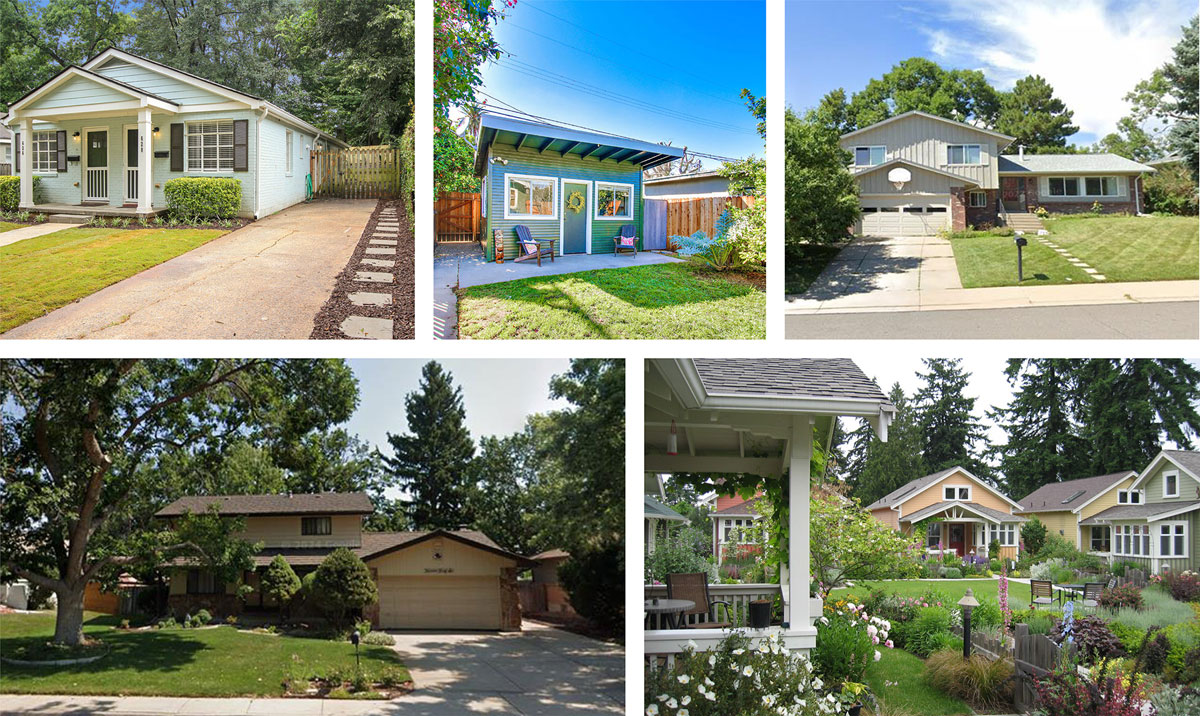
Intent
The purpose of the Low Form Residential Future Land Use Category is to include:
- Primarily residential neighborhoods with limited home occupation uses.
- Generally, maintain existing, low-scale residential context, while modestly increasing housing choice that is compatible.
- Provides vehicular, pedestrian, and bicycle connections to nearby Neighborhood Hubs and Corridors generally via the local and collector street, sidewalk, and bikeway network.
Example Land Uses and Typical Forms
Within the Low Form Residential Future Land Use Category, the following land uses and building forms are most common:
- Single-Dwelling Unit
- Patio homes
- Cottage Cluster
- Duplexes
- Tandem homes
- Limit Overall Size; No Limit on number of Units
- Mobile Homes in designated areas
Land Uses Generally Allowed
The following land uses are typically allowed in each Future Land Use Category, including the Low Form Residential Future Land Use Category:
- Schools
- Religious institutions
- Parks, trails, and recreational uses
- Community Gardens
- Urban Agriculture, horticulture, and limited animal keeping
- Drainage, transportation, and utility infrastructure
- Government/Civic Uses
- Cultural/creative attractions
- Renewable Energy Generation
- Limited and accessory home occupations where residential is allowed
- Accessory Dwelling Units (ADUs), Attached and Detached