Parks and Open Space
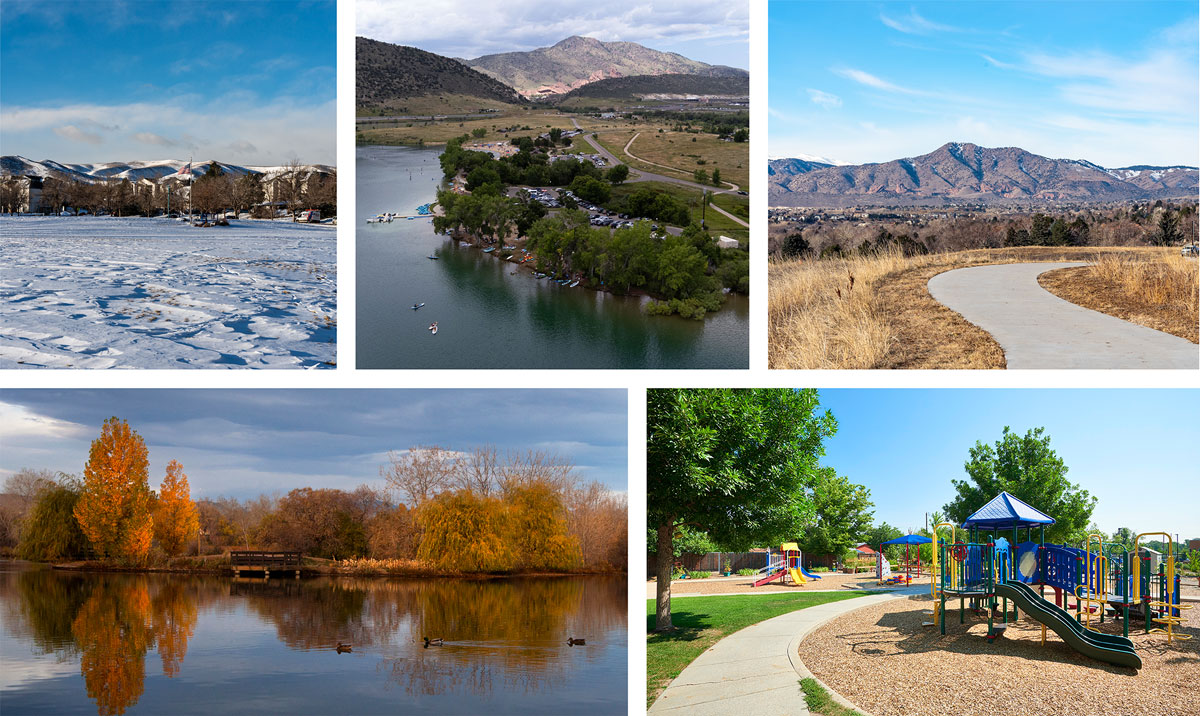
Intent
The purpose of the Parks and Open Space Future Land Use Category is to include:
- Public land preserved for conservation and natural habitat
- Recreation facilities that provide community benefit
- Locally accessible, neighborhood and regionally serving parks, trails, and facilities
- Multimodal vehicular, transit, pedestrian, and bicycle access generally via street, sidewalk, paths and the bikeway network
Example Land Uses and Typical Forms
Within the Parks and Open Space Future Land Use Category, the following land uses and building forms are most common:
- Community and Neighborhood Parks
- Recreation Centers
- Golf Courses
- Sports Facilities
- Natural Habitat, Conservation land, Wetlands and Waterways
Land Uses Generally Allowed
The following land uses are typically allowed in each Future Land Use Category, including the Parks and Open Space Future Land Use Category:
- Schools
- Religious institutions
- Parks, trails, and recreational uses
- Community Gardens
- Urban Agriculture, horticulture, and limited animal keeping
- Drainage, transportation, and utility infrastructure
- Government/Civic Uses≤
- Cultural/creative attractions
- Renewable Energy Generation
- Limited and accessory home occupations where residential is allowed
- Accessory Dwelling Units (ADUs), Attached and Detached